
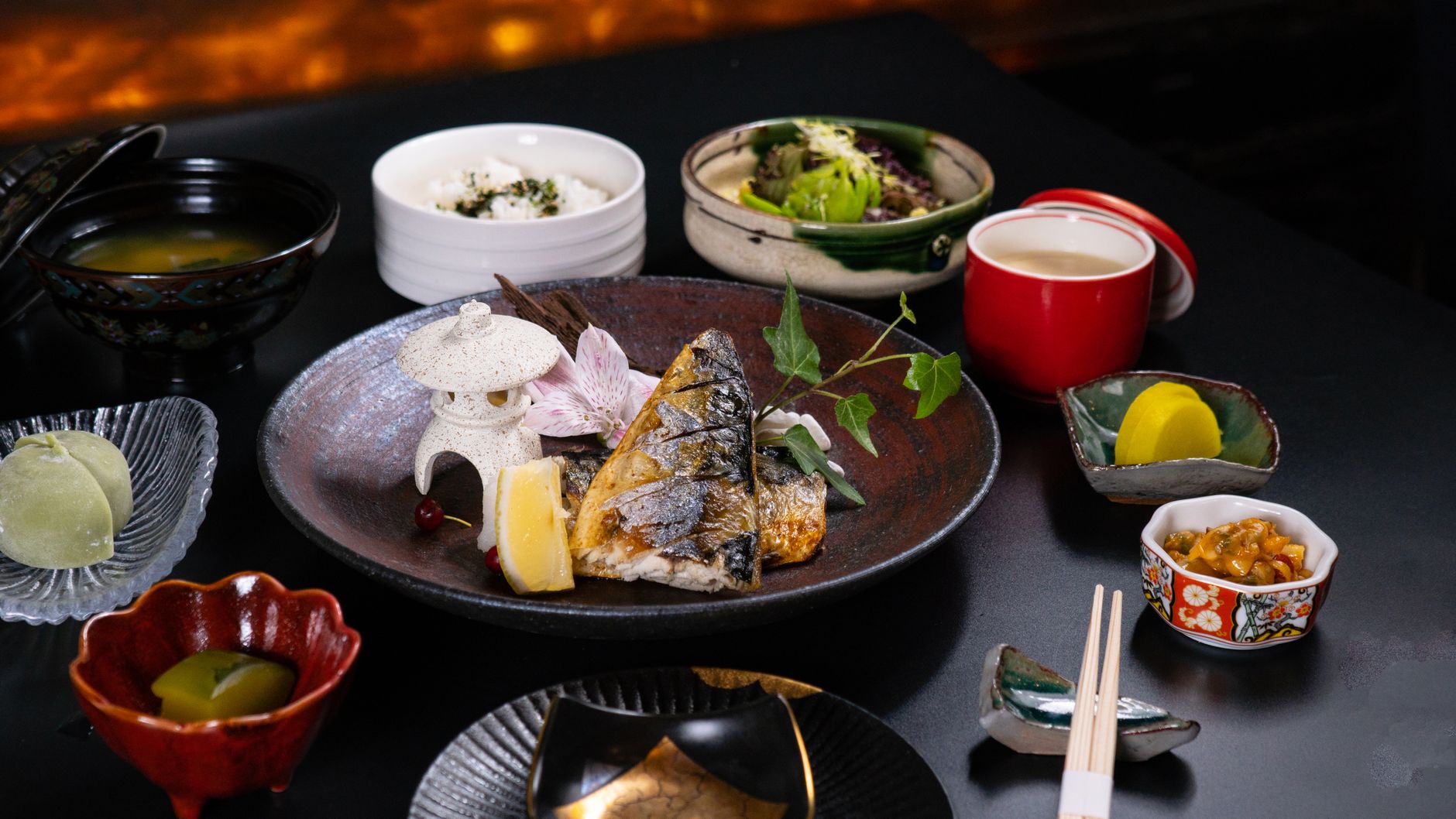
「日本食を食べる時、何かマナーはある?」と外国人講師に聞かれたら、誇りを持って答えたいテーマです。和食は 2013年にユネスコ無形文化遺産 に登録されており、そのマナーは料理そのものと同じくらい大切。今回は英語で伝えるポイントを整理します。
「いただきます」「ごちそうさま」の意味
和食の代表的なマナーは、食事前後の挨拶です。
“Before eating, we say ‘Itadakimasu’ — it means ‘I humbly receive.’ It’s a way of showing gratitude to the food, the cook, and nature.”
“After eating, we say ‘Gochisousama’ — meaning ‘Thank you for the feast.'”
「神への祈り」ではなく「自然と人への感謝」という説明が、外国人講師に響きます。
箸のNGマナー
箸の使い方には、絶対にやってはいけないマナーがあります。
“Never stick your chopsticks upright in rice. That’s done at funerals to honor the dead.”
“Don’t pass food from chopsticks to chopsticks. That’s also a funeral custom.”
「立て箸」「箸渡し」がNGなのは、葬儀の作法と被るから。これを知っているだけで、海外講師に「ちゃんとした日本人」と思われます。

茶碗を持って食べる
“In Japan, it’s polite to lift your rice bowl and miso soup bowl to your mouth. Leaving them on the table is considered bad manners.”
「茶碗を持って食べる」のは、欧米だと逆にマナー違反な国もあるので、文化の違いとして面白い話題になります。
「お辞儀」と料理
懐石料理や旅館の食事では、料理を運んでくる方へ軽くお辞儀をします。
“When food is served to you, a small bow or saying ‘Thank you’ in Japanese (‘Arigatou gozaimasu’) is appreciated.”
音を立てて食べていいもの・悪いもの
“Slurping noodles like ramen, soba, or udon is fine — even encouraged! But chewing with your mouth open while eating other food is considered rude.”
「麺類は音を立ててOK、その他はNG」という違い、海外講師は混乱するポイントです。
残さず食べる文化
“Try not to leave food on your plate. ‘Mottainai’ — the idea of not wasting things — is a deep Japanese value.”
「もったいない」というキーワードも、英語圏で知られている日本の概念です。
「いただきます」を実際に言ってもらう
レッスンの最後に、講師に「Let’s try saying ‘Itadakimasu’ together!」と提案すると、楽しいレッスンになります。次はお箸文化を深掘りします。
コメント