
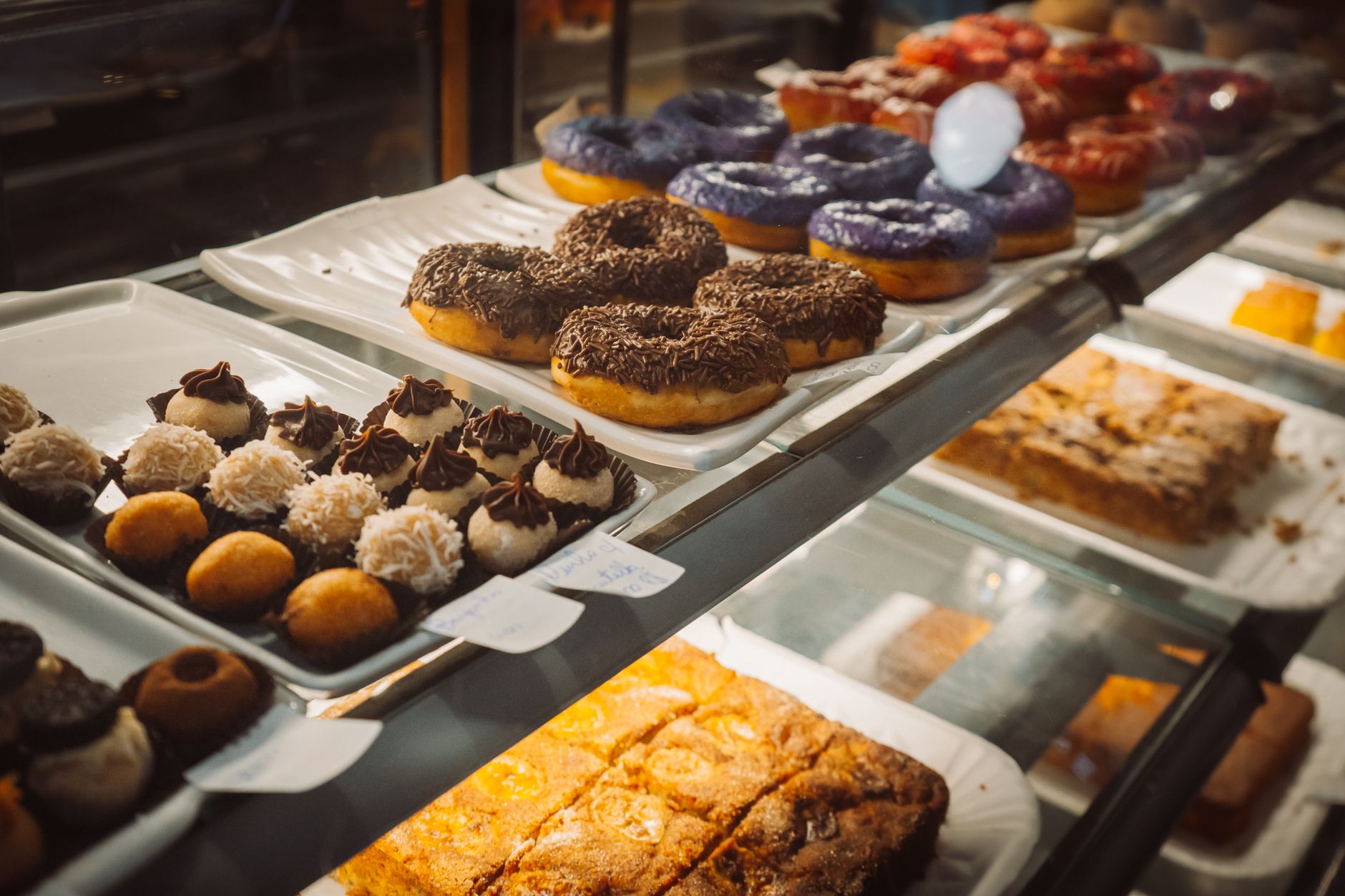
初対面のN先生でした。題材は、ミスタードーナツが2019年以来はじめて中国に再進出するという記事。そこから日本のドーナツ市場の話になりました。
この手の話は、仕事柄よくしています。競争が激しいこと、原材料が上がっていること、日本人は健康を気にするから甘いものが売れにくいこと。話す中身は全部頭にありました。
録音を聞き返すと、単語は出ているのに文になっていません。言いたい要素を並べたところで止まっています。
①「競争と原材料費で閉店が続いている」が、途中で主語が二重になった
“A lot of stores are closed due to the heavy competition, and the food price, for example flour, prices is increasing.”
the food price と言ってから for example flour を挟み、戻ってきたときに prices is と主語をもう一度置いています。例を入れた時点で、文がどこまで進んだか見失っています。
“Many donut shops have been forced to close due to fierce competition and the rising cost of ingredients like flour.”
- 「激しい競争」は
fierce competition。heavyではありません - 「原材料費の高騰」は
the rising cost of ingredients。これで一語扱いになるので、例を挟んでも主語が崩れません - 例は
like flourと最後に置けば、文を中断せずに済みます
②「健康志向だから甘いものは売れにくい」で、同じ語を二度言った
“Japanese people care about their health… sugar, oil, so we don’t want to eat a lot of sugar, oil, due to the reason, this product is not popular.”
sugar, oil が二回、接続は so と due to the reason が重なっています。一文で終わる内容でした。
“Japanese consumers are very health-conscious, so overly sweet or greasy snacks tend to face lower demand these days.”
- 「健康意識が高い」は
health-consciousの一語。これを知っていれば、前半が一気に短くなります - 「油っこい」は
greasy due to the reasonは不要です。soで足ります
単語は出てくるのに、つなぐ言葉が出てこない。これは語彙を増やしても埋まりません。話した内容を誰かに組み直してもらう形が要ります。
③ パンの質問が、二つに割れた
先生がフィリピンのパン「パンデサル」の話をしてくれたので、聞き返した場面です。
“What what kind of bread? What ingredient is based on?”
What what と詰まったうえ、質問が二つに割れています。
“What kind of bread is pan de sal, and what are its main ingredients?”
「主な原材料」は main ingredients。and でつなぐだけで一文になります。
④ スターバックスの話が、名詞の羅列で終わった
“Starbucks provide something mixed matcha, chocolate flavor, like sweet, younger generation like those kind of drinks.”
matcha、chocolate flavor、sweet、younger generation。要素は出ていますが、つなぐ言葉がありません。
“Cafes like Starbucks offer a wide variety of flavored drinks, like matcha and chocolate lattes, which are especially popular among younger generations.”
a wide variety of flavored drinksでまとめてから、like ~で例を出しますwhich are especially popular among ~と関係代名詞でつなげば、文を切らずに続けられます
⑤ インスタントコーヒーの話で、主語の形が崩れた
“There are it in Japan, I drink instant coffee, my wife sometimes buy those kind of product… but it’s not popular because people care about health.”
There are it で始まってしまっています。There is なのか We have なのかを決める前に口が動いています。
“We have instant 3-in-1 coffee sticks in Japan as well, but many people still prefer black coffee for health reasons.”
スティックコーヒーは instant 3-in-1 coffee sticks(または sachets)。We have ~ as well で「日本にもある」が言えます。
食品と市場の話で使う言い方
health-conscious consumers— 健康意識の高い消費者fierce competition— 激しい競争rising cost of ingredients— 原材料費の高騰greasy— 油っこいface lower demand— 需要が落ちるa wide variety of ~— 多様な〜
次はこう言う
日本のドーナツ市場をどう思うか。次に聞かれたら、こう答えます。
“The donut market in Japan is extremely competitive right now.”
“Because consumer preferences are shifting toward healthier options, while operating costs continue to rise.”
“Even major chains like Mister Donut have to constantly innovate their menu to retain customers.”
二文目に while を入れると、逆向きの二つの動きを一文で言えます。今回いちばん崩れたのがここでした。
砂糖も油も若い世代も、言うべき語は出ていました。足りなかったのは、それをひとまとめにする語です。health-conscious がひとつあるだけで、羅列が文になります。単語を十個覚えるより、こちらのほうが速そうです。
あわせて読みたい
- 行列を飛ばす有料サービスの話で、言い直しが文に残った — 同じレッスン記録。添削4組
- オンライン英会話で日本と中国を比べたら、動詞が抜け落ちた — 産業と市場の話。添削6組
- 転職の理由を英語で言ったら、主語が自分でなくなった — 仕事の話の回

コメント